History of the Seafarers’ Pension Fund


The history of the Seafarers’ Pension Fund reflects the development of Finnish shipping, maritime work and pension security over more than 300 years. This timeline brings together the key milestones, from the Seamen’s Chests to today’s provider of earnings-related pension insurance.

The history has been written by Kimmo Kontio and Jouni Yrjänä in 2026. The full history can be accessed on our website via the links below (english translation coming soon).

You can explore the previously published history of the Seafarers’ Pension Fund up to 2016 here.


Early History of Seafarers’ Pension Security

1720s

The Seamen’s Chest – A Tradition of Mutual Support

Seafarers and their families did not want to depend on the limited poor relief provided by towns and cities. At first, shipmasters, officers and seafarers organised support for themselves through mutual assistance. Beginning in the 1720s, seafarers in Stockholm established a Seamen’s Chest and collected funds for it. This form of self-help was inspired by the widows’ and orphans’ funds maintained by medieval guilds. These funds sometimes also provided assistance to elderly and disabled guild members. Initially, seafarers contributed small amounts according to their rank and position on board. In the 1730s, however, ship officers, who were considered part of the burgher class, established a separate fund of their own. Among the modest benefits available, burial assistance was perhaps the most important, reflecting the values and priorities of the time.
1748

The Seamen’s House Becomes the Institution of the Seafaring Community

The regulations governing the Seamen’s House, introduced in 1748, were primarily intended to register the maritime workforce and maintain order in the employment and wage conditions of the merchant fleet. Ships needed a stable workforce that could gradually develop into a more skilled and professional body of seafarers. The social protection provided by the Seamen’s House supported this primary objective and helped to tie workers more closely to service at sea.

1752

Decentralisation Begins – Seamen’s Houses Established in Staple Ports

The centralised system was abandoned in 1752, and staple ports engaged in foreign trade and shipping were granted the right to establish their own Seamen’s Houses. Turku established its Seamen’s House in 1752. Helsinki, whose growth was driven by the extensive construction of the Sveaborg fortress, followed in 1760. Loviisa, the new staple port of eastern Finland, established its Seamen’s House in 1761, followed by Pori in 1766 and Oulu in 1780. The decentralisation of the Seamen’s House system took place at roughly the same time as Stockholm’s dominant position in foreign trade and merchant shipping began to decline in 1766. This created new opportunities for the growth of maritime trade in the coastal towns along the Gulf of Bothnia. The establishment of Seamen’s Houses led to the abolition of the Seamen’s Chests. Their assets were transferred to the Seamen’s Houses in accordance with the centralised and mercantilist administrative principles of the period.

1858

The Mutual Pension Fund of the Shipmasters’ Association

In 1858, the Mutual Pension Fund of the Shipmasters’ Association began operating in Turku. A similar fund was soon established in Oulu, which at the time was Finland’s leading centre for deep-sea shipping. Ordinary crew members, however, had no opportunity to establish comparable mutual protection schemes, as such arrangements were permitted only for members of recognised professional bodies and the social estates.

1880

A Common Pension Institution for Seafarers Begins Operations

Representatives of the maritime sector participated in preparations for a new pension scheme for shipping, although representation was limited to shipmasters and officers. Expertise in insurance statistics and actuarial matters was also utilised. In 1879, legislation established a centralised pension system for merchant shipping. The model was based on a pension institution founded in Sweden during the 1860s. Membership was voluntary for seafarers. The “General Pension Institution for Masters and Other Seafarers” began operations in 1880, with Turku as its home city. Members paid contributions according to their positions. Another source of funding came from tonnage-based fees previously collected for the Seamen’s Houses. The institution also received modest financial support from the state.

1924-1938

Maritime Pension Arrangements Are Phased Out

In 1924, the Pension Institution doubled both pension benefits and contribution rates. Despite these changes, it failed to attract younger seafarers to join the scheme. The final committee tasked with examining reforms to the pension system proposed abolishing both the Pension Institution and the Seamen’s Houses. The “General Pension Institution for Masters and Other Seafarers on Finnish Merchant Vessels” was closed to new members in 1937. The Seamen’s Houses ceased operations the following year.

The 19th century

Shipping Expands, but Social Protection Remains Fragmented

During the 19th century, Finnish shipping expanded rapidly as the age of sail reached its peak. The number of seafarers increased, but social protection remained fragmented. Access to assistance depended largely on local relief funds, charitable support and arrangements organised by individual occupational groups. The golden age of Finnish sailing ships took place around the middle of the 19th century. Built in Finland and crewed by Finnish seafarers, the country’s merchant fleet grew within a few decades to become the fifth largest in the world. A symbol of this success was the barque Hercules from Jakobstad (Pietarsaari), which became the first Finnish vessel to circumnavigate the globe between 1844 and 1847. By the time the Seamen’s House system approached its first centenary, however, developments had in some respects returned to where they had begun. The stable and loyal workforce envisioned in the regulations of 1748 had not emerged. Many crew members did not consider either working conditions or the security offered by the profession sufficiently attractive.

Kuvituskuva Teivo Pentikäinen
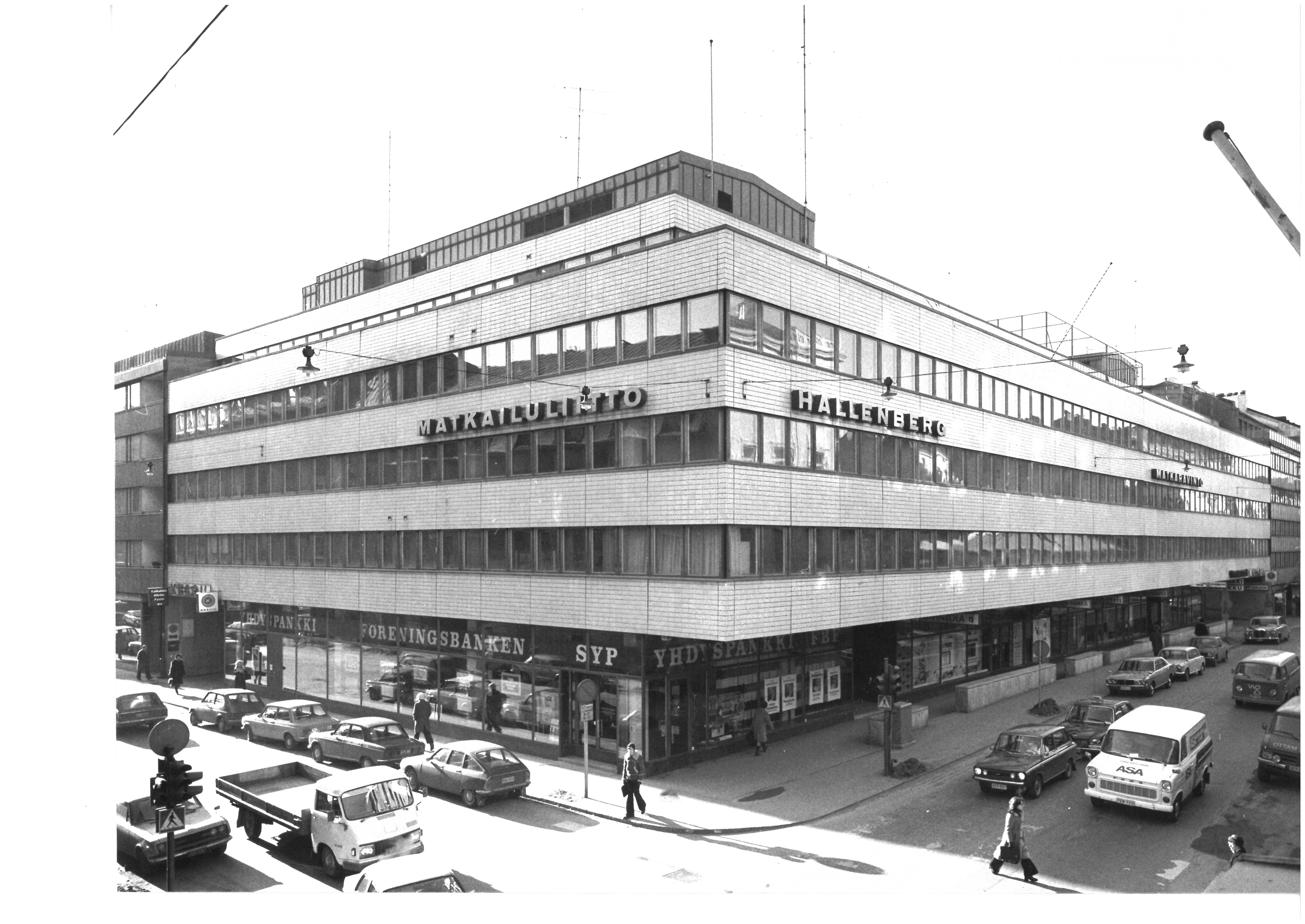
Kuvituskuva: MEKin toimitilat Uudenmaankatu 16-20

From War to Peace: Security for Seafarers

1938

Merchant Shipping Modernises Rapidly

By 1938, the last year of peace before the Second World War, only two per cent of Finland’s foreign freight income came from sailing vessels. The tonnage of the Finnish merchant fleet had tripled between 1920 and 1939. Despite technological advances, working conditions for seafarers improved little. The two-watch system and long working hours remained a reality on board.

1939

The National Pension Begins on the Eve of War

Finland’s national pension scheme entered into force at the beginning of 1939, but the timing could hardly have been worse. The country was soon drawn into the turmoil of the Second World War. The national pension was based on a savings insurance model whose benefits remained modest and were quickly eroded by war and inflation.

1939-1945

The War Years Take a Heavy Toll on Seafarers

The war years had a profound impact on both civilian shipping and the seafaring community. The number of fatalities is estimated at around 350. Some Finnish seafarers were interned abroad. Others who were in Germany were sent to concentration camps after refusing to cooperate with the authorities.

1946

The Seattle Convention Lays the Foundation for Seafarers’ Pensions

In 1946, the International Labour Organization (ILO) conference in Seattle agreed on common labour standards for the maritime sector. In June, the Seafarers’ Pensions Convention was adopted. The convention required ratifying countries to establish and guarantee pension protection for all civilian seafarers working in commercial shipping, primarily aboard ships.

The Early Decades of the Seafarers’ Pension Fund

1956

The Seafarers’ Pensions Act Is Confirmed – The Seafarers’ Pension Fund Begins Operations

President Paasikivi confirmed the Seafarers’ Pensions Act in 1956. The Act created a statutory earnings-related pension system specifically for Finnish seafarers. The Act began safeguarding the maritime workforce at a time when demand for sea transport was increasing around the world. MEK’s Board of Directors held its inaugural meeting in January 1956, even before the President had formally confirmed the legislation. Initially, MEK operated within the Insurance Department of the Ministry of Social Affairs before moving to its own premises in Helsinki.

1960s-1970s

Passenger Traffic and the Pension System Expand

Passenger traffic between Finland and Sweden grew rapidly during the 1960s. The emergence of car ferries transformed the structure of Finnish shipping and created new employment opportunities within the sector. The Seafarers’ Pensions Act was no longer the only pension legislation covering the private sector when new earnings-related pension laws entered into force on 1 July 1962. These reforms broadened pension protection for people who had worked at sea, as pension rights could now also be earned through employment outside the maritime sector.

1967-1980

Inflation, Indexation and Improving Benefits

During the late 1960s and throughout the 1970s, social security systems developed rapidly. At the same time, rising inflation reduced the purchasing power of pension benefits. Within the maritime pension system, MEK focused on developing its own pension and financing solutions while also supporting the competitiveness of Finnish shipping. As benefits improved, concerns about the Fund’s financial sustainability also increased. MEK sought to balance pension benefits, investment activities and the competitiveness of the maritime industry. The number of disability pensions remained high throughout the 1970s. In addition to traditional physical illnesses, mental health issues became an increasingly common cause of incapacity for work. MEK funded research into seafarers’ mental health and rehabilitation.

Helena Jaatinen-kuvituskuva

The Pension Fund in a Changing Operating Environment

1980s

Finnish Shipping Under International Pressure

Shipping companies faced increasing international competition as countries with lower operating costs expanded their share of global maritime transport. Finnish vessels were transferred to foreign registers, and crew sizes declined. For MEK, these developments were reflected in a decreasing number of insured members and growing concern about the long-term financing of the pension system. The Fund’s investment activities became more diversified than before. Traditional ship loans and rental housing investments were gradually complemented and later replaced by new forms of investment, including equities and bonds. The objective of the investment strategy was to strengthen solvency at a time when contribution income was growing more slowly than in previous decades.

1986

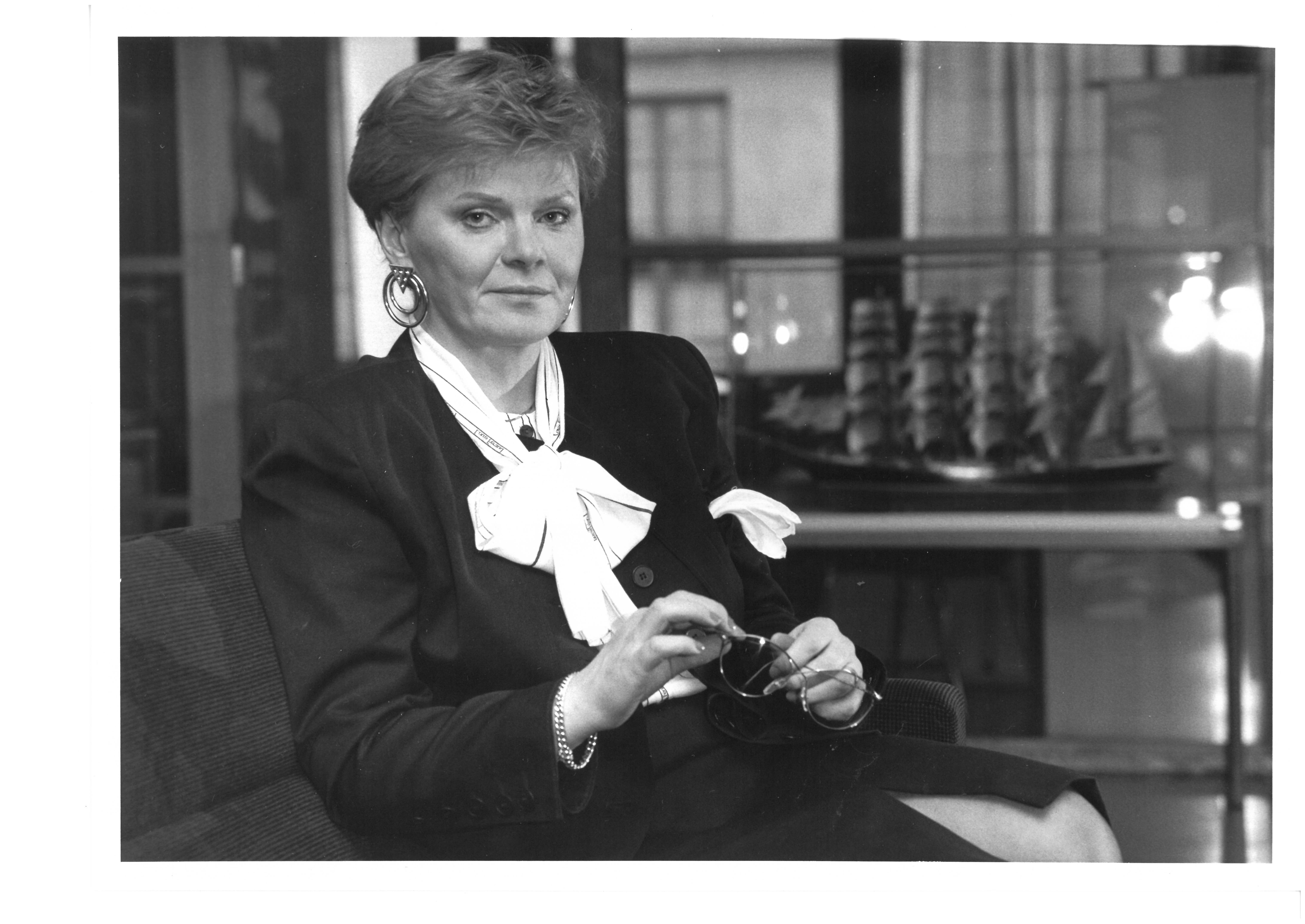
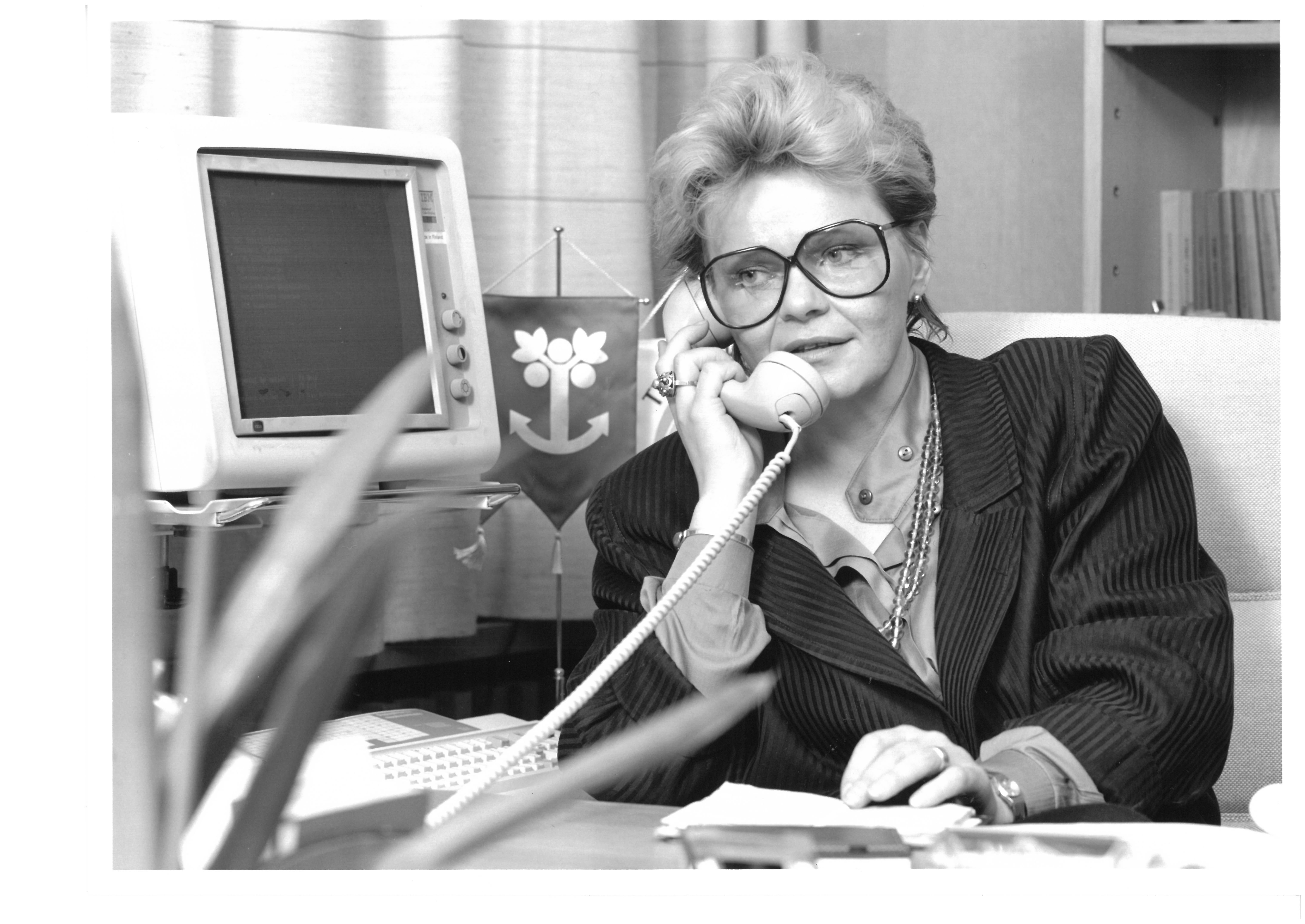
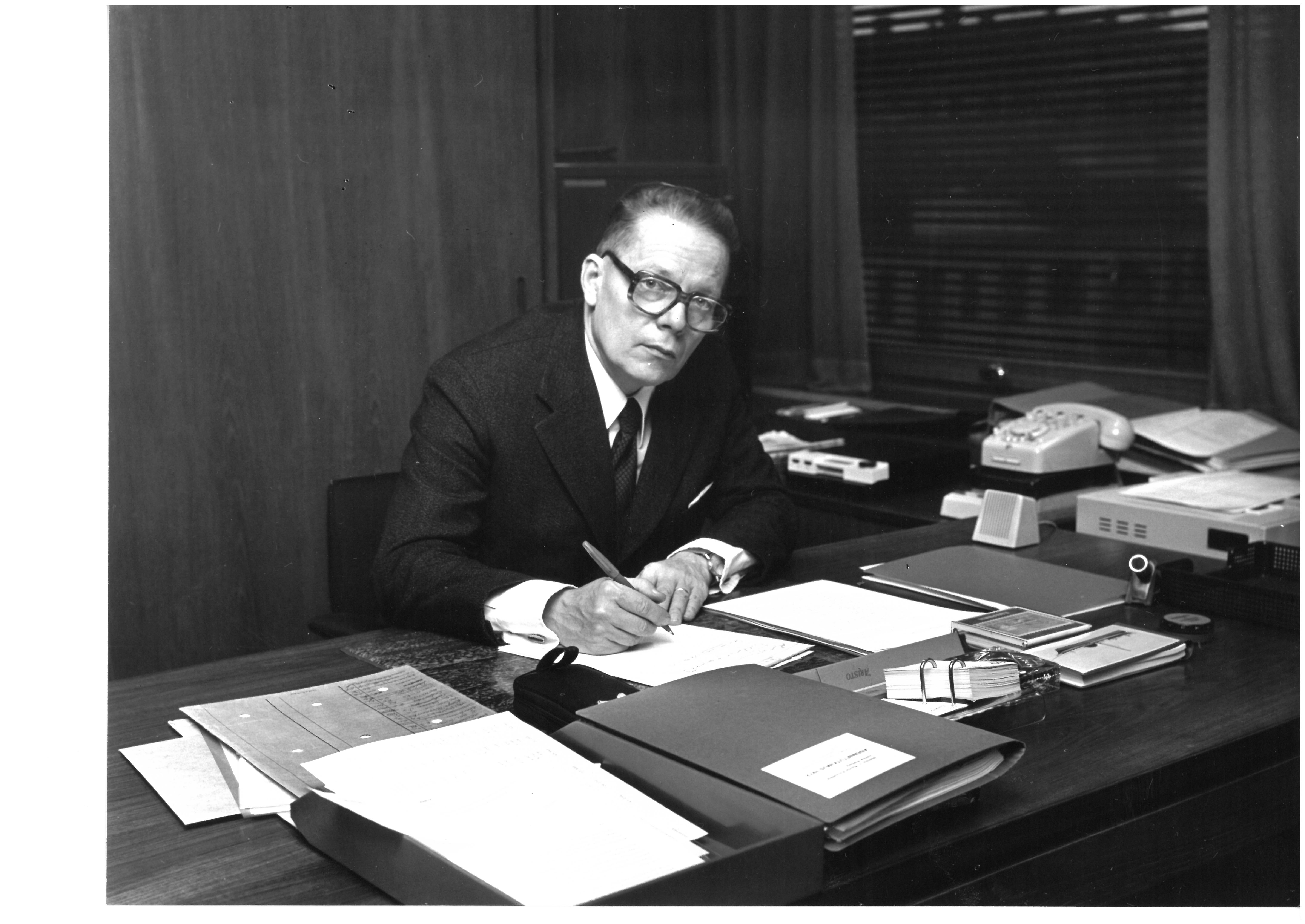
Helena Jaatinen Becomes the First Woman to Lead a Pension Institution in Finland

Helena Jaatinen was appointed Managing Director of the Seafarers’ Pension Fund in 1986. She became the first woman to lead a pension institution in Finland.

1991

Greater Integration with the National Pension System

At the beginning of 1991, seafarers’ pensions were integrated into the pension equalisation system, and the principle of the last pension institution was introduced. Under this principle, the pension was paid in full by the pension institution with which the employee was most recently insured. Pension entitlements, however, continued to be accrued separately for each employment relationship, requiring a fundamentally new approach to pension calculations. The reform also required a comprehensive modernisation of MEK’s information systems.

1992

The Register of Merchant Ships Enters into Force

Legislation concerning the Register of Merchant Ships entered into force at the beginning of 1992. The aim of the reform was to strengthen the competitiveness of Finnish shipping and prevent a new wave of flagging out.

1999

Albatrossi Magazine and the First Website

In 1999, the first issue of Albatrossi magazine was published and distributed to insured members and pension recipients. The same autumn, MEK launched its first website.

2000s

Increased Focus on Well-Being at Work

MEK’s activities aimed at preventing disability and supporting work ability expanded during the 2000s alongside reforms in occupational health care legislation. Since then, the Seafarers’ Pension Fund has initiated and participated in numerous projects and initiatives designed to improve the well-being of seafarers.

2005

A Major Pension Reform

The pension reform of 2005 introduced a new method of calculating pensions based on earnings accumulated throughout an individual’s entire career rather than separately for each employment relationship or on the basis of pensionable salary. The reform preserved previously earned retirement age rights and was well received within maritime circles.

2007

The Seafarers’ Pensions Act Is Rewritten

Efforts to harmonise the earnings-related pension system continued in 2007 when several private-sector pension acts were replaced by a new Employees Pensions Act. The Seafarers’ Pensions Act was also rewritten to align its structure and legislative wording with the new framework.

Kanavaranta_MG_0986

Towards the Present Day

2010-2012

Kari Välimäki Leads a Period of Reform

In 2010, Kari Välimäki, Permanent Secretary at the Ministry of Social Affairs and Health, was appointed Chair of MEK’s Board of Directors. During his term, the Board ceased handling individual disability pension cases, as such decisions were considered better suited to specialists and operational staff. When Helena Jaatinen, who had led MEK for many years, retired in autumn 2012, Välimäki was appointed Managing Director of the Seafarers’ Pension Fund. He took office at a time when MEK was financially stable but faced increasing pressure to harmonise its pension arrangements with the wider pension system.

2013-2016

Fundamental Changes to the Seafarers’ Pension System

Pressure to harmonise pension systems intensified during the 2010s. At the beginning of 2013, a tripartite working group began examining the benefits and financing arrangements of the seafarers’ pension system. Parliament approved amendments to the Seafarers’ Pensions Act in January 2015, and the changes entered into force at the beginning of 2016. The transition period was later extended until the end of 2024. Accrual rates and pension insurance contributions were aligned with those applied under other earnings-related pension legislation, while seafarers’ retirement ages moved closer to those of other employees.

2018-2021

Jari Puhakka Strengthens Investment Expertise and Becomes Managing Director

In June 2018, the position of Investment Manager was established at the Seafarers’ Pension Fund. Jari Puhakka was appointed to the role and tasked with strengthening MEK’s investment operations at a time when risk management and solvency were becoming increasingly important throughout the pension sector. Puhakka paid particular attention to the Fund’s investment governance model, under which responsibility for investment implementation, risk management and reporting had previously been concentrated within a single function. In 2019, risk management, oversight and reporting were transferred to the Managing Director’s area of responsibility, while investment activities were organised as a separate function. Puhakka became Chief Investment Officer in autumn 2019 and succeeded Kari Välimäki as Managing Director of the Seafarers’ Pension Fund at the beginning of 2021.

2019

New Premises at Kanavaranta

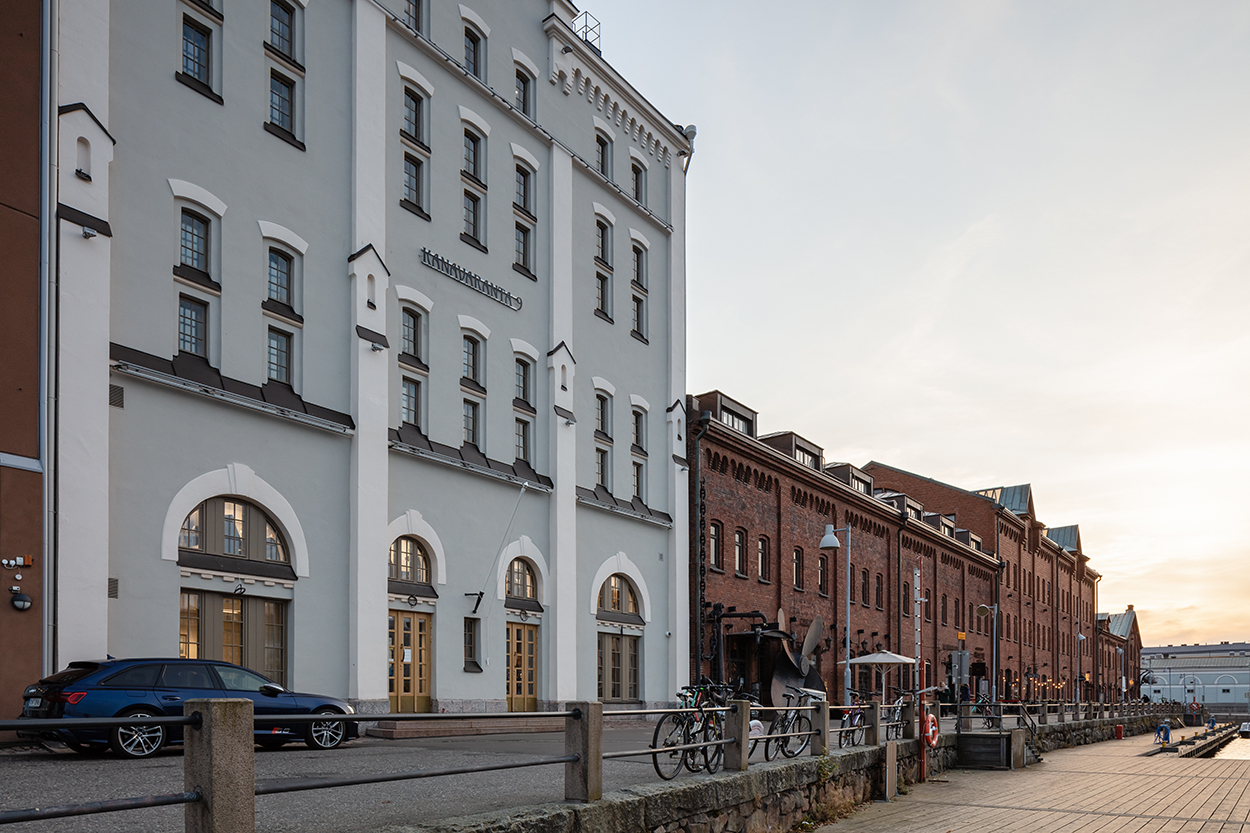
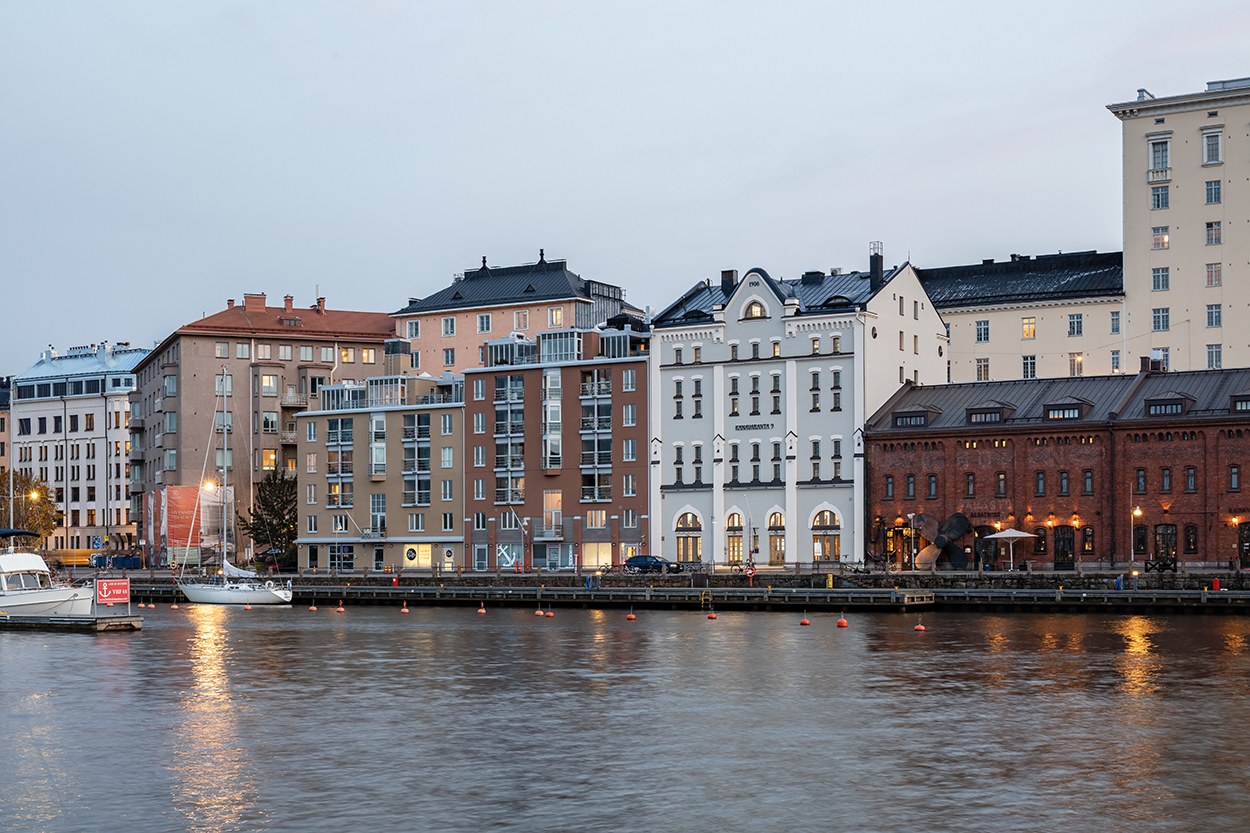
The Seafarers’ Pension Fund had operated from premises it owned at Nylandsgatan 16 since 1969. Each employee had a private office. As the facilities had become impractical, with numerous corridors and a fragmented layout, the Fund moved in 2016 to modern office premises that had been renovated specifically for its needs elsewhere in the same building. A fire that broke out in May 2017 forced the Fund to relocate temporarily to other premises within the building. The Fund subsequently renovated its own property at Kanavaranta 9 and moved its offices there in March 2019, bringing it closer to other maritime organisations and its customers.

2025

A Revised Investment Strategy Creates a More Liquid Portfolio

In its 2025 investment strategy, the Board decided to phase out direct real estate investments entirely. The transition to a fund-based structure was completed in December 2025. In spring 2026, MEK also divested all directly owned office properties except for the property at Kanavaranta 9.

2026

The Seafarers’ Pension Fund Turns 70

Seventy years after its establishment, the Seafarers’ Pension Fund remains financially strong and well positioned to safeguard pension benefits. The number of insured members has remained relatively stable since 2010, fluctuating between approximately 7,300 and 7,600. Although membership declined during the COVID-19 pandemic, it had returned to previous levels by 2024. In 2025, the number of pension recipients fell below the number of insured members for the first time since the global financial crisis of 2008. The Fund’s future remains closely tied to the success of Finnish shipping and the competitiveness of the Finnish flag. The history and future of the Seafarers’ Pension Fund continue to be shaped by the fortunes of Finland’s merchant shipping industry.